Published on Jul 10, 2025 by Eliud Waititu
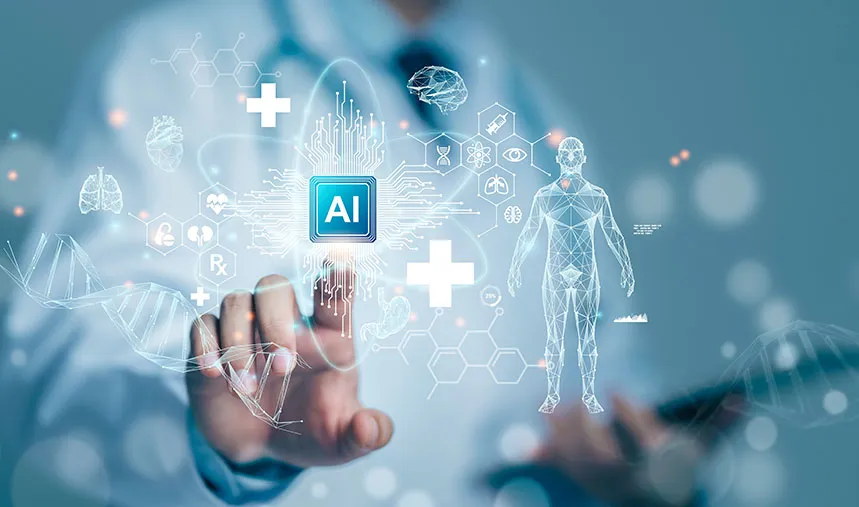
A comprehensive overview of how artificial intelligence (AI) is transforming the healthcare industry. Learn about the applications of AI in healthcare, the benefits it provides, and the challenges that need to be addressed.
How AI is Transforming Healthcare: A 2026 Look at the Future of Medicine
Artificial intelligence (AI) is no longer a futuristic concept in healthcare; it's a reality that is transforming the industry in profound ways. From faster and more accurate diagnoses to personalized treatment plans and accelerated drug discovery, AI is revolutionizing the way we approach medicine. This guide will explore the various applications of AI in healthcare, the benefits it provides, and the challenges that need to be addressed to ensure its responsible and ethical adoption.
Applications of AI in Healthcare
1. Medical Imaging and Diagnostics
AI algorithms can analyze medical images such as X-rays, CT scans, and MRIs with a level of accuracy that can match or even exceed that of human radiologists. This can lead to earlier and more accurate diagnoses of diseases like cancer, heart disease, and neurological disorders.
2. Drug Discovery and Development
Machine learning models can accelerate the drug discovery process by analyzing vast amounts of biological data to identify potential drug candidates and predict their efficacy. This can significantly reduce the time and cost of bringing new drugs to market.
3. Personalized Medicine
AI can help create personalized treatment plans for patients based on their genetic makeup, lifestyle, and other factors. This can lead to more effective treatments with fewer side effects.
4. Virtual Health Assistants
AI-powered virtual health assistants and chatbots can provide patients with 24/7 access to medical information, help them manage their medications, and schedule appointments. This can improve patient engagement and reduce the burden on healthcare providers.
Benefits of AI in Healthcare
- Improved Accuracy: AI can help reduce human error in diagnosis and treatment.
- Increased Efficiency: AI can automate repetitive tasks, freeing up healthcare professionals to focus on more complex and creative work.
- Reduced Costs: By improving efficiency and reducing errors, AI can help lower the cost of healthcare.
- Accelerated Research: AI can accelerate the pace of medical research by analyzing large datasets and identifying new insights.
Frequently Asked Questions (FAQ)
Is AI going to replace doctors?
No, AI is not going to replace doctors. Instead, it will augment their abilities, providing them with powerful new tools to diagnose and treat diseases more effectively. The human touch will always be essential in healthcare.
Is my health data safe with AI?
Data privacy and security are major concerns in the age of AI. It is crucial for healthcare organizations to implement robust security measures to protect patient data and ensure that it is used in a responsible and ethical manner.
What is the future of AI in healthcare?
The future of AI in healthcare is bright. As the technology continues to evolve, we can expect to see even more innovative applications of AI that will further improve patient outcomes and transform the healthcare industry. The rise of AI in software development will also play a big role in this transformation.